

Can Peptides Cause Cancer?
Peptides are not a single cancer-risk category. Some peptide medicines have compound-specific tumor warnings, while evidence for human risk remains uncertain or absent for others.
Peptides are not a single cancer-risk category. Some peptide medicines have compound-specific tumor warnings, while evidence for human risk remains uncertain or absent for others.

Peptides can be natural, synthetic, recombinant, or modified. The word peptide describes a molecular structure—not whether a product is safe, effective, or approved.

Celtek Peptides and Peptidology both earn 5/5 for shipping and fulfillment. The broader scorecard gives Celtek the overall lead, while other suppliers retain narrower advantages.

GLP-1 and GIP help coordinate the response to food, while glucagon protects fuel availability. Here is how their normal roles differ from drug effects.

Transparent peptide testing is not a purity badge. Laboratory buyers should look for lot-level traceability, intelligible methods, supporting data and clear limits on what each report proves.

A scorecard-led comparison of Celtek Peptides and Peptidology for laboratory procurement, including category scores, documentation limits, and conflicts of interest.

A polypeptide is a chain of amino acids connected by peptide bonds. Learn how the chain forms, why its sequence matters, and when it becomes part of a protein.

Retatrutide activates three hormone receptors in one investigational peptide. Here is what that mechanism means, what trials have reported, and what remains unknown.

Collagen peptides may be a reasonable optional add-on for a specific goal, but evidence varies considerably for joint symptoms, skin aging, and exercise support.

GLP-1/glucagon dual agonists combine two kinds of receptor activity in one investigational molecule. Here is what human trials show—and what remains uncertain.

There is no universal injection site for peptides. The correct body area depends on the specific medication, prescribed route, formulation, device, and official instructions.
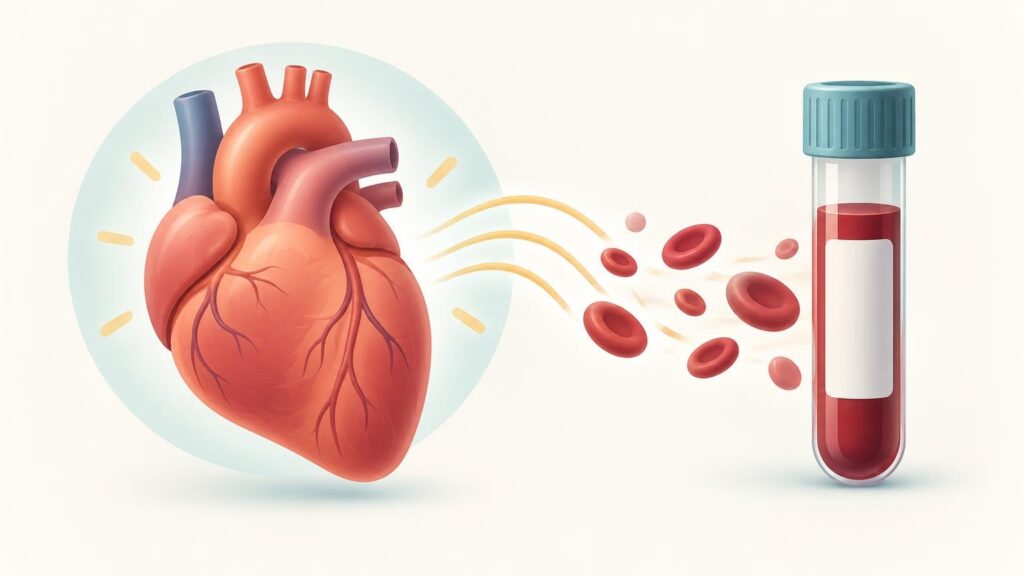
A BNP blood test helps clinicians assess whether heart strain or heart failure may be contributing to symptoms. Here is what the test measures and why a result cannot provide a diagnosis by itself.